




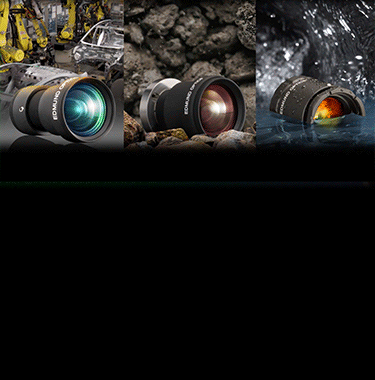
Ruggedized Imaging Systems for Harsh Environments
Machine vision systems are being deployed in new applications outside of traditional, controlled environments.

The future depends on optics through technological and application advancements. Edmund Optics® continues to embrace the future by providing information on trending products and technologies. Through highlighting these advancements in this monthly series, our goal is to keep the community informed and provide a cohesive learning environment, while encouraging the integration of these products into innovative applications.
Machine vision systems are being deployed in new applications outside of traditional, controlled environments.

Maximize image Information with expanded wavebands.

Fast, global communication is critical in our increasingly-connected world.

Athermalization to minimize focal length change over temperature can be achieved actively or passively.
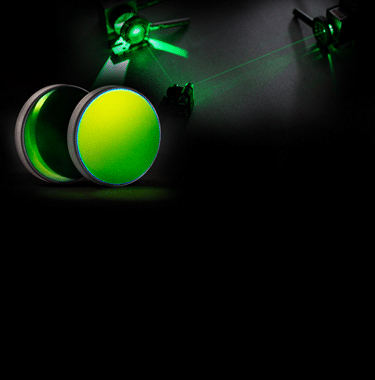
Edmund Optics' new Schwarz Mirrors can significantly reduce the need for beam dumps behind components.
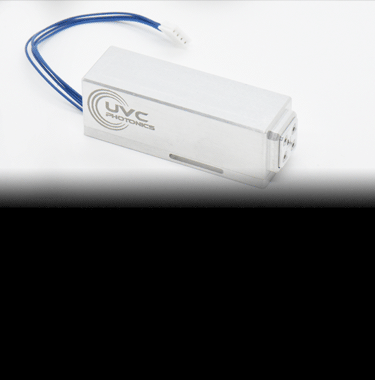
A new wave of compact, cost-effective UV lasers have resulted in an expansion of UV applications.

Perseverance is equipped with 23 cameras helping it navigate and pursue its mission.
Edmund Optics’ partner UltraFast Innovations (UFI) enable the development of optics that experience negligible thermal effects.
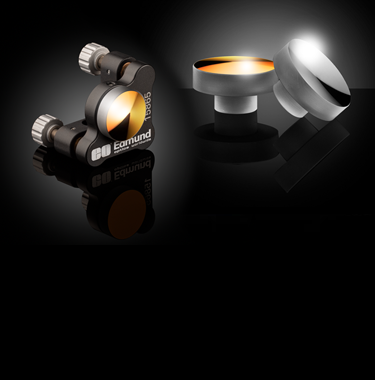
Stemmed mirrors are mounted from a smaller diameter “stem” protruding from the back of the mirror, resulting in significantly reduced stress on the mirror surface, high stability, and cost reduction.
The continuous and unyielding progress towards higher throughput and lower loss in laser systems requires optical components that minimize scatter, especially when using high-power lasers or short wavelengths.

An increased demand for online video streaming has led to the development of shallow depth of field cinema lenses, which are only made possible by aspheres.
Single-material aspheric achromats correct for chromatic aberrations over a wider wavelength range than traditional doublets using a unique geometry.
Selecting proper optics is critical for taking full advantage of the next generation of high-resolution sensors.
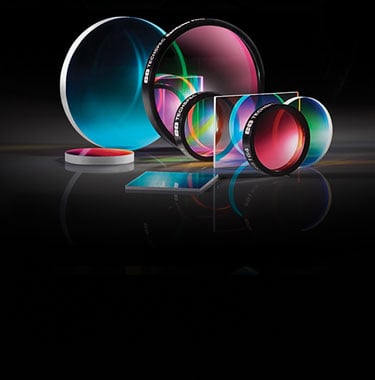
Optical advancements have enabled the detection and treatment of a variety of blood conditions.
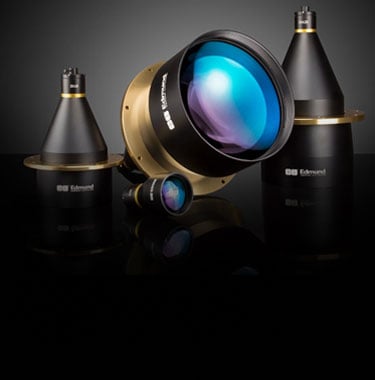
Telecentric illumination is ideal for precision measurement applications.

Beam shaping for high power and short pulse durations.

Transparent materials with integrated micro-optics
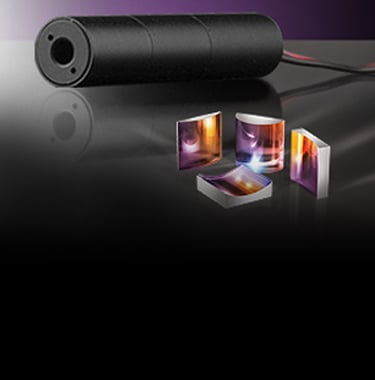
Square and truncated optics reduce the total volume of conventional optical designs
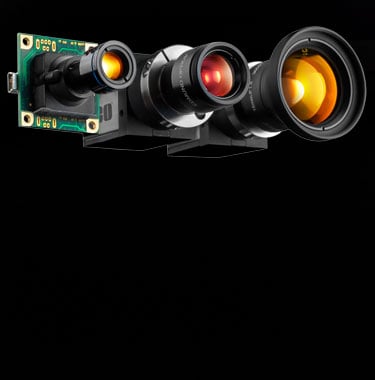
Stabilized ruggedization ensures a lens’ optical pointing and positioning after applied shock or vibration.
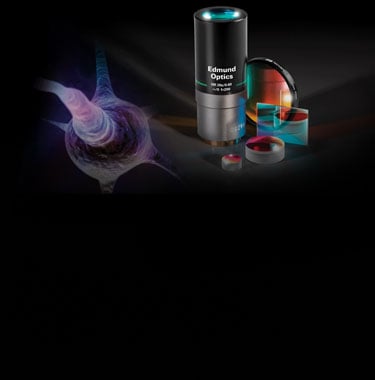
Reflective microscope objectives focus light or form an image using reflective optics.

Transparent materials with integrated micro-optics
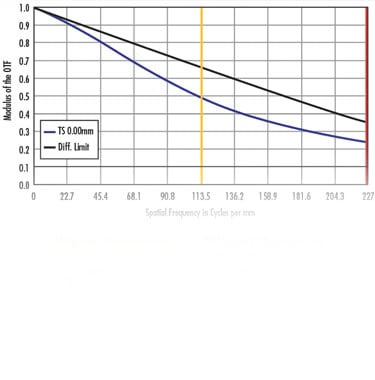
Shrinking pixel sizes do not always lead to higher system-level resolution
Pulse compression and dispersion compensation for ultrafast lasers
Seeing around corners is no longer science fiction thanks to ultrafast lasers and sensitive cameras
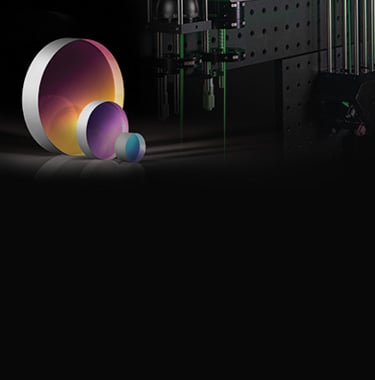
The industry standard method for quantifying reflectivity does not tell the whole story
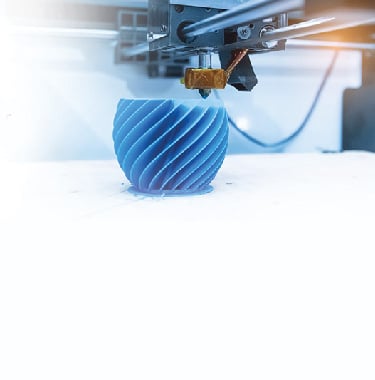
Additive manufacturing is revolutionizing rapid prototyping, IP protection, and the job market in the optics industry
Advances in microscopy, imaging, and extreme ultraviolet optics
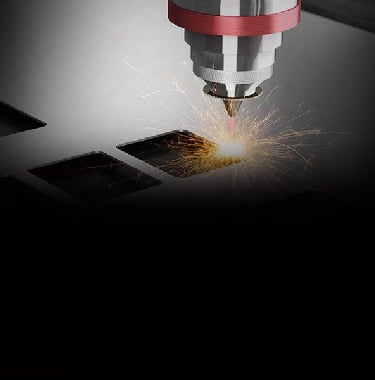
The unique absorption properties of 2µm lasers allow them to create small and precise cuts for medical and materials processing applications
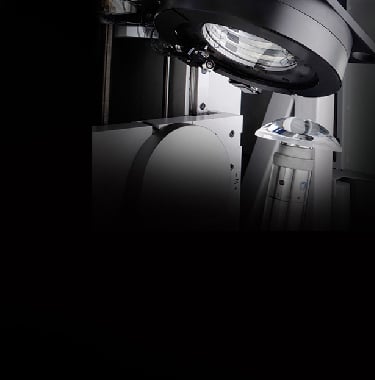
Time to replace spherical elements with aspheric lenses
The future of high-speed technology: integrated photonics use light instead of electricity for computing and signal processing
Image quality of a telecentric with the flexibility of a liquid lens
Pushing optics to the extreme. Tabletop sources make applications 10-100nm more accessible
Quickly autofocus and overcome depth of field limitations
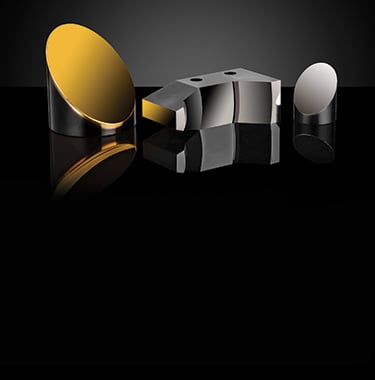
Beam conditioning optics for UV, IR, and Broadband Lasers
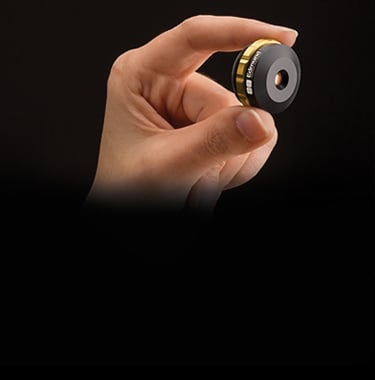
Advances in microscopy tackle the challenges of the future
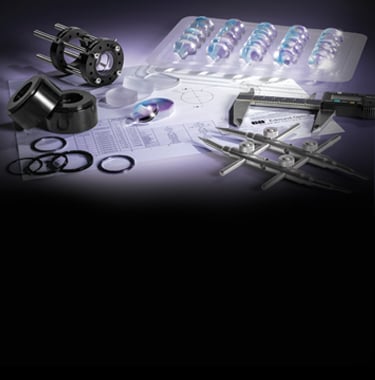
Quickly respond to collapsing product lifecycles and decreased development time

Bringing professional-grade technology to all by leveraging common mobile devices
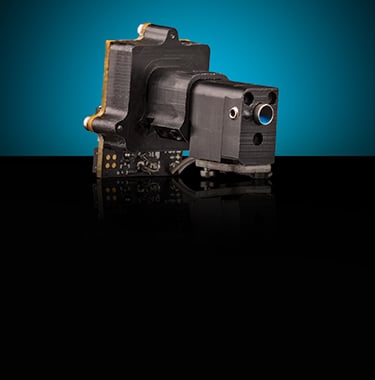
Accessible, flexible technology supported by a community of users
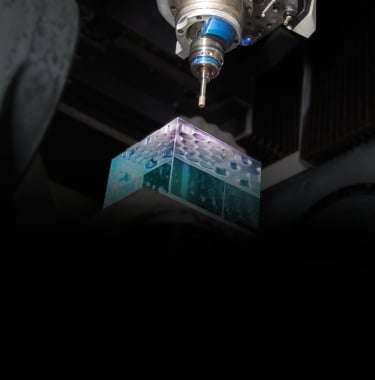
Facilitates manufacture of optical components with complex geometries
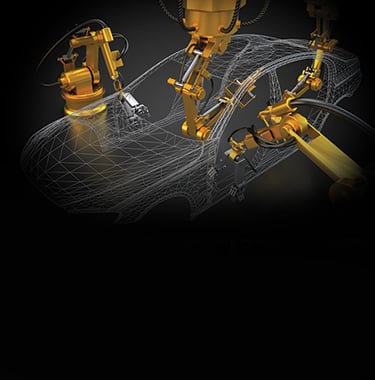
Emerging applications require advanced ruggedization to reduce pixel shift
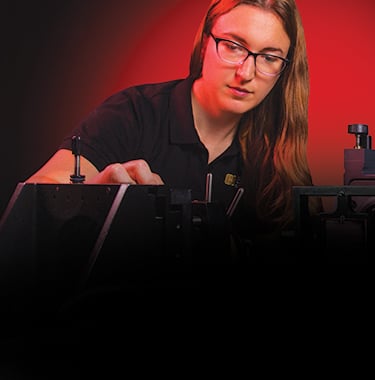
A promising solution to the drawbacks associated with traditional asphere metrology
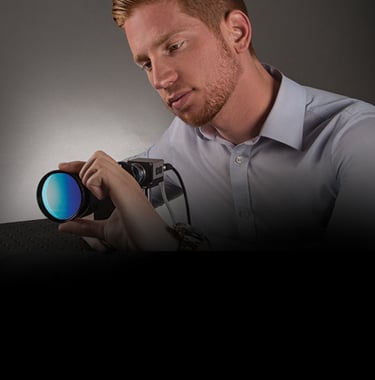
As light sources, digital sensors, and coating chamber technologies continue to improve, optical filters will naturally evolve and advance
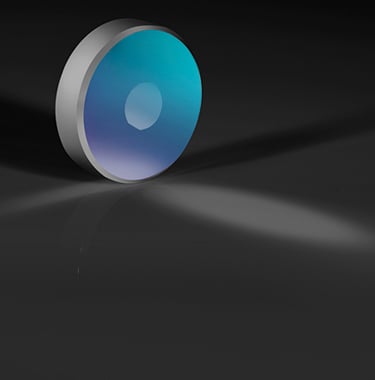
Optical supermirrors have extremely high reflectivity and ultralow optical losses from scatter and absorption

As optical applications continue to increase in complexity, their performance requirements are becoming more demanding
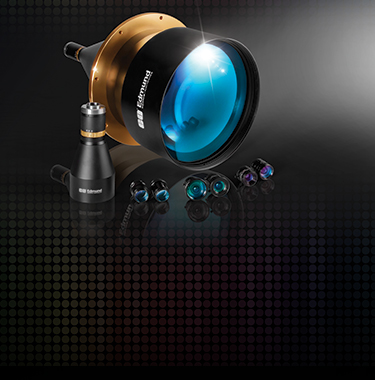
Telecentric lenses with large fields of view (FOV) reduce measurement and inspection time in demanding metrology applications
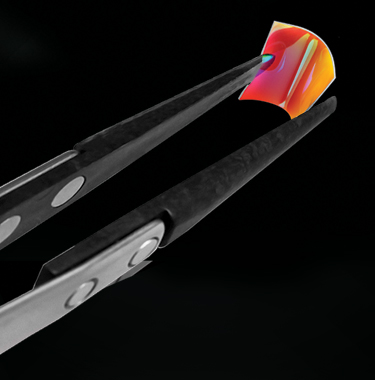
Ultra-Thin Longpass Filters are designed and constructed out of ultra-thin, flexible polymers and dyes
or view regional numbers
QUOTE TOOL
enter stock numbers to begin
Copyright 2023, Edmund Optics Inc., 101 East Gloucester Pike, Barrington, NJ 08007-1380 USA
California Consumer Privacy Acts (CCPA): Do Not Sell or Share My Personal Information
California Transparency in Supply Chains Act
This content may include material that has been generated or modified using artificial intelligence (AI).
The FUTURE Depends On Optics®