




Cleaning Optics



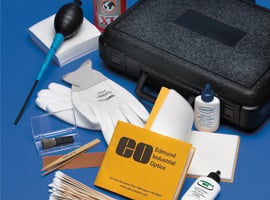
After purchasing an optical component, exercising proper care can maintain its quality and extend its usable lifetime. Choosing the proper cleaning products and using the proper methods are as important as cleaning the component itself. Improper cleaning practices can damage polished surfaces or specialized coatings that have been used on optics such as lenses, mirrors, filters, or gratings, degrading the performance in almost any application. While there is no universally correct cleaning method, here are a few tips to get started. For specialized optics, materials, coatings, or applications please contact us for recommendations. Also, be aware of your clothing and your environment while cleaning optics; shirts with zippers and buttons can scratch your optics, likewise dirty or dusty environments are not well suited for optical applications.
CLEANING PRODUCTS
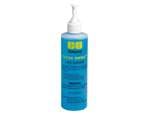
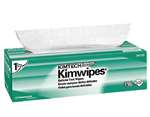
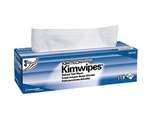
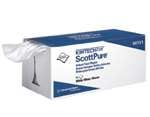
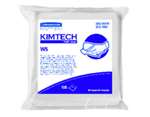
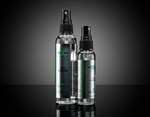
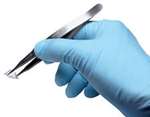
There are a variety of cleaning products and cleaning methods to use depending upon the type of optic to be cleaned and the nature of the care needed, ranging from removing dust to smudges on the surface. Products such as Pick-Up Tools, Tweezers, Gloves, Compressed Air, Cotton-Tipped Swabs, Lens Tissue, Lens Cleaners, Reagent-Grade Isopropyl Alcohol, Reagent-Grade Acetone, and De-Ionized Water can be used to ensure a long product lifetime. Each type of cleaning product has its own unique benefit: Pick-Up tools and Tweezers are useful for holding optics in place while cleaning, Gloves provide a protective barrier to optics from any moisture or oils on your hands, Compressed Air effectively removes surface dust without directly contacting any coating an optic may have, Cotton-Tipped Swabs and Lens Tissue offer an effective means to wipe away any dirt without scratching an optic, and Lens Cleaners, Reagent-Grade Isopropyl Alcohol and Acetone, and De-Ionized Water each safely clean an optic.
An important point to stress is that you should NEVER clean plastic optics or optics in plastic housings with Acetone because it will damage the plastic. Therefore, if you have a plastic optic, then you should use Compressed Air, Reagent-Grade Alcohol, or De-ionized Water. If you are unsure about the type of optic that you have or the reactivity of your optical substrate or coating, then using De-Ionized Water and a little bit of dish soap is the safest way to make sure the optic is not damaged by harsh chemicals.
Popular Cleaning Methods
Lenses
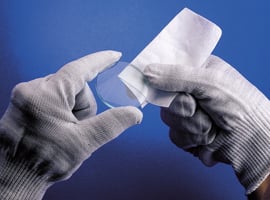
Dust is the most common contaminant and can usually be removed using Compressed Air. If more cleaning is necessary, hold the lens in Lens Tissue and apply a few drops of Reagent-Grade Isopropyl Alcohol, Reagent-Grade Acetone, or Lens Cleaning Solution. Slowly turn the lens while applying pressure in the center and working outward, to pull dirt off the lens instead of redistributing it on the surface. Fingerprints on a coated lens should be cleaned as soon as possible to avoid staining or damaging the optic. Larger dirt particles, however, should be removed with a Dust-Free Blower before attempting to clean the optic with lens tissue. Larger particles trapped under the cloth will scratch the surface you are attempting to clean. If the lens is still dirty - for instance, if the oil was just redistributed and not cleaned off the optic - then a mild soap solution can be used to gently wash the lens. Repeat the procedure with Reagent-Grade Isopropyl Alcohol or Reagent-Grade Acetone to eliminate streaks and soap residue.
Mirrors
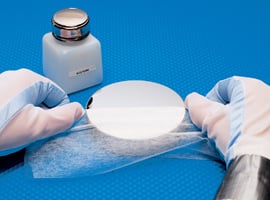
After blowing off dirt and dust with Compressed Air, the Drag Method of cleaning can be used to remove fingerprints or other contaminants on mirrors. In the Drag Method, lens tissue saturated with Reagent-Grade Isopropyl Alcohol or Reagent-Grade Acetone is slowly dragged across the surface. If done correctly, the solvent will evaporate uniformly without leaving streaks or spots. Bare metallic coatings are delicate and cannot be cleaned in this manner. Dirt and fingerprints will permanently damage a bare metal-coated mirror, so preventive measures should be taken to prolong the lifetime of the coating.
Filters
Filters can be cleaned using the same methods as lenses or mirrors. The preferred method is to use Compressed Air or an Air Blower to remove dust. If additional cleaning is required, then using a Cotton-Tipped Swab or Lens Tissue saturated with Reagent-Grade Isopropyl Alcohol, Reagent-Grade Acetone, or Lens Cleaning Solution will work too.
Gratings
Due to the construction of diffraction gratings, the only recommended cleaning method is to use Compressed Air or an Air Blower to remove surface dust. Avoid methods that require any direct contacting of the grating surface. Ultrasonic cleaning should not be used as it may separate the grating surface from the glass substrate.
Note: The same precautions taken with Gratings should be applied to Wire Grid Polarizers in order to ensure a long product lifetime.
Micro Optics
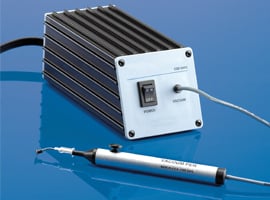
Micro Optics may also be cleaned using Reagent-Grade Isopropyl Alcohol or Reagent-Grade Acetone but, due to their extremely small size, they require special handling and care. For example, micro lenses typically refer to lenses smaller than 3mm in diameter. Delicate tweezers, such as Non-Marring, Bamboo, and Plastic Tweezers, may be used to securely hold a micro optic by its edge, or a Vacuum Pick-Up Tool may be used.
6 Tips for Handling Most Optics to Keep Them in Good Condition
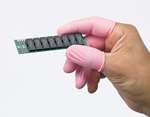
- Always wear gloves or finger cots. The oil on your fingertips can sometimes damage the coating on optics, and if a fingerprint is left on an optical surface for a long time, it can become a permanent stain.
- Always handle optics by the edges. Never touch the optical surface with your fingertips, even while wearing gloves.
- Never handle optics with metal tools. Reduce the chance of damage by using wooden, bamboo, or plastic tools to handle optics. Vacuum pens are handy for small optics.
- Always place an optic on a clean soft surface, especially if the optical surface is convex. Resting on a hard or dirty tabletop can cause scratches on the optical surface.
- To store optics, wrap them individually in clean, lint-free lens tissue and place in a low humidity environment. Never store unwrapped optics together in a box or bag, as contact between the optics will cause damage. Never store optics with heavier items on top of them.
- Never blow on the optic. It is also recommended to not chew gum or talk while handling optics to prevent saliva contamination. Saliva particles will often stain the surface.

or view regional numbers
QUOTE TOOL
enter stock numbers to begin
Copyright 2023, Edmund Optics Inc., 101 East Gloucester Pike, Barrington, NJ 08007-1380 USA
California Consumer Privacy Acts (CCPA): Do Not Sell or Share My Personal Information
California Transparency in Supply Chains Act
This content may include material that has been generated or modified using artificial intelligence (AI).
The FUTURE Depends On Optics®